
April 30, 2026 · Moleti Editorial Team
NewsWhen Tulum Traded Silence for Engine Roar: Air Show and NASCAR Signal a Region Coming of Age
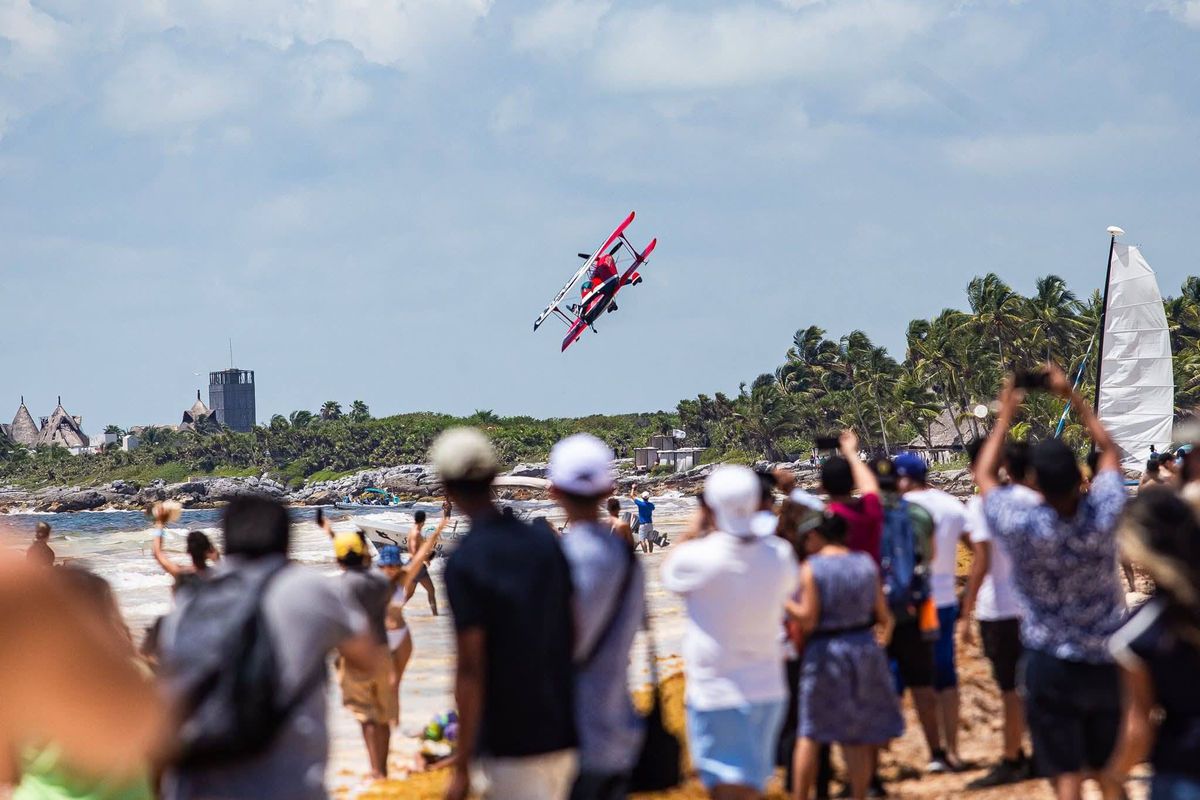
The Tulum that made its name on cenote silence and palapa minimalism made global headlines for something entirely different last weekend. From April 23 to 26, the Felipe Carrillo Puerto International Airport hosted the Tulum Air Show 2026 alongside the third round of the NASCAR Mexico Series — a simultaneous convergence of military aviation, civilian aerobatics, and professional motorsport that has no precedent in the Caribbean's event history.
The Airport as More Than a Gateway
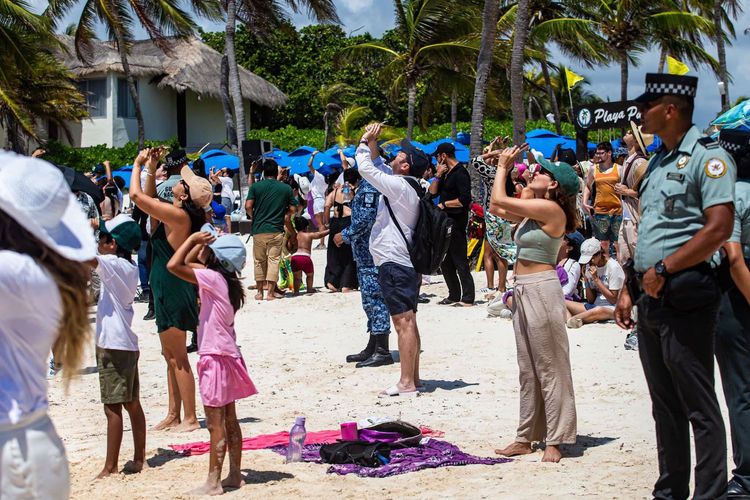
The successful staging of both events within a single airport perimeter was the headline beneath the headline. Since its inauguration, Felipe Carrillo Puerto International Airport has been positioned primarily as a transit facility for travelers connecting to the Mayan heartland. What the Tulum 100 and the Air Show demonstrated is something more consequential: that this infrastructure is capable of functioning as a high-security, high-complexity multi-use venue. Running a NASCAR circuit demands rigorous logistics — pit lane infrastructure, crowd management protocols, and safety systems that a new airport would ordinarily spend years developing the capacity to host. Tulum cleared that bar on its first attempt.
Precision Over the Turquoise
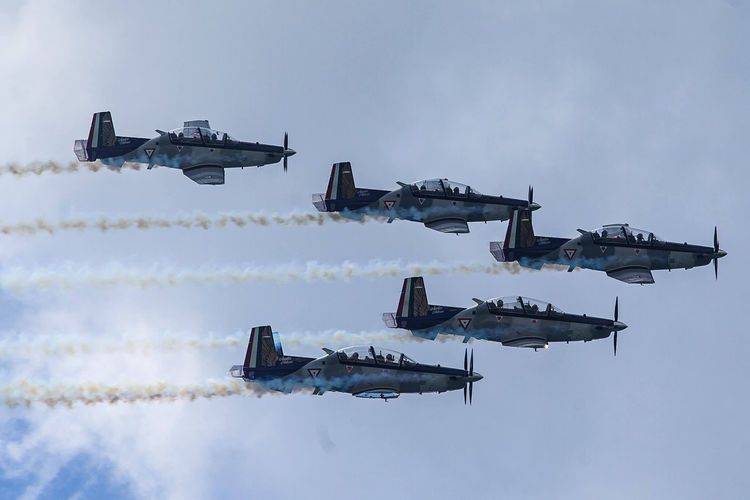
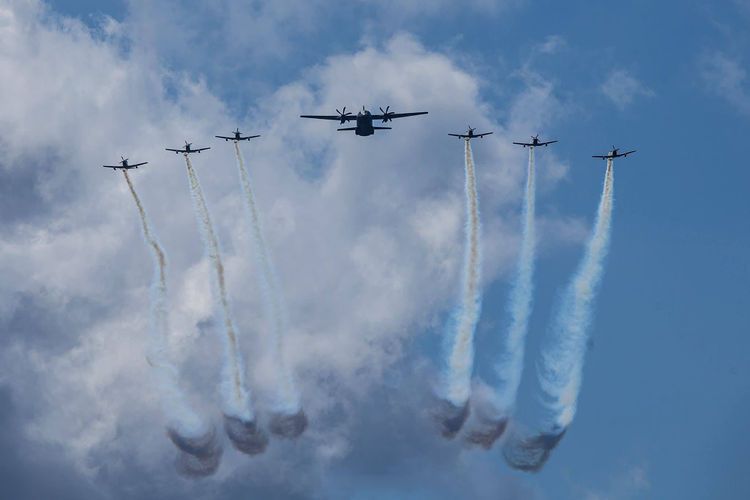
The aerial program opened Thursday with a fleet spanning training aircraft to front-line combat jets. The centerpiece was the Mexican Air Force's Northrop F-5 — a supersonic interceptor whose high-speed passes and vertical ascents generated sonic signatures audible across the Quintana Roo coastline. Civilian teams, including the Black Wings flying Extra 300 aircraft engineered to sustain extreme G-forces, performed synchronized aerobatics over Playa Paraíso with smoke trails crossing a backdrop that is, by any measure, among the most photogenic in the hemisphere.
Speed and Strategy on the Tarmac
Sunday's NASCAR Tulum 100 delivered a different kind of intensity. Rubén García Jr. claimed pole position with a qualifying lap of 16.618 seconds, with Rubén Rovelo and Rodrigo Rejón separated from first by hundredths — a result that reflects the competitive depth the Mexico Series has developed in recent years. The stock cars — Chevrolet Camaros and Ford Mustangs producing over 400 horsepower — brought a visitor segment to Tulum that the region has not previously attracted at scale: racing fanbases, technical crews, and the commercial infrastructure that follows professional motorsport.
What This Means for the Region
For buyers and investors who track the Mexican Caribbean, the Tulum Air Show carries a signal that extends well beyond the event itself. Hosting events of this complexity requires inter-agency coordination at a level that reflects genuine institutional maturity — coordinating FAMEX, SEDENA, and municipal authorities simultaneously is not a routine administrative achievement. That Tulum pulled it off for two concurrent events suggests that the region's infrastructure and governance have crossed a threshold that will attract further investment, further events, and a higher-value tourism demographic going forward.
The questions that follow are the right ones to ask: how does the region balance high-impact spectacles against the environmental commitments that built the Tulum brand? The airport provides a controlled perimeter that insulates the surrounding ecology from the crowd. The next editions will test whether that model holds. But the baseline established this April — that Tulum can host the world's attention on its own terms — is a foundation that did not exist before.