
Mexico Sets a 20-Year Tourism Record — and the Riviera Maya Is Leading the Way
April 30, 2026 · Moleti Editorial Team
The numbers are difficult to ignore. In the first two months of 2026, Mexico welcomed more international visitors than at any comparable point in two decades — and the destinations anchoring that demand are the same ones that have defined the country's most coveted real estate corridor for years.
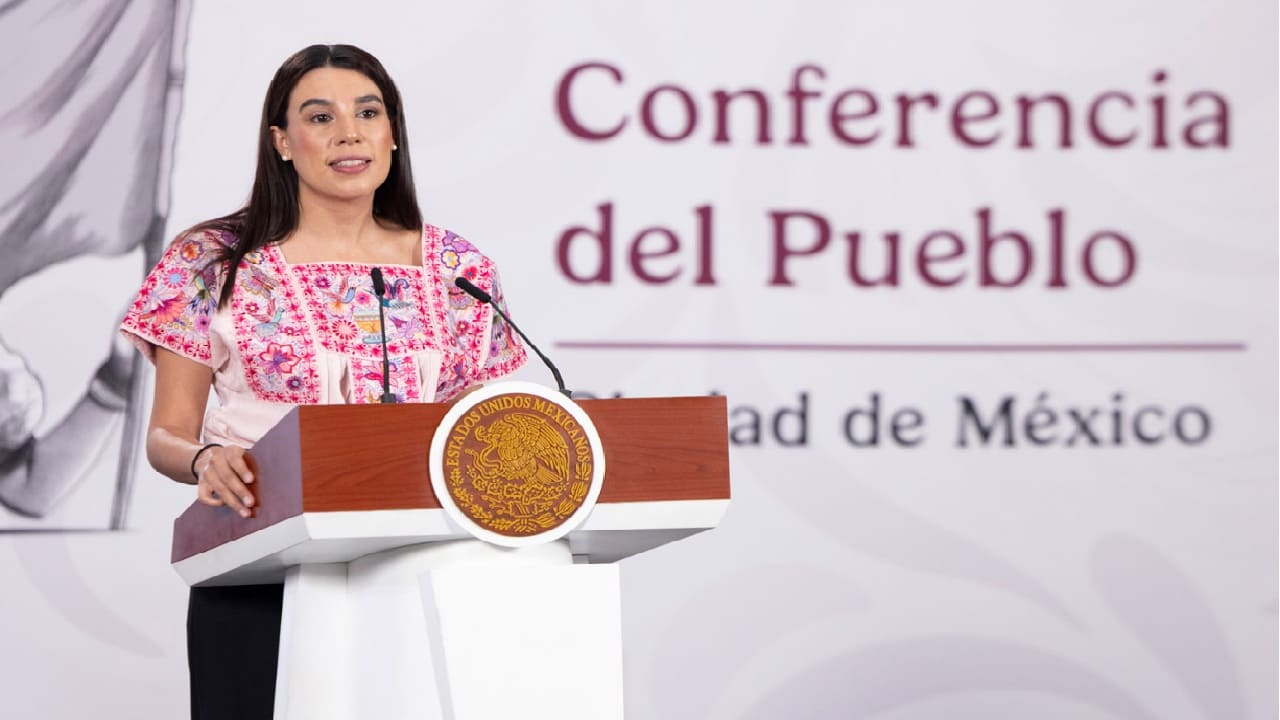
Mexico's Secretary of Tourism, Josefina Rodriguez Zamora, confirmed the figures during a presidential press conference: a 6.5 percent increase in international visitors during January and February 2026, with February alone setting a 20-year record of 3.8 million international tourist arrivals.
A Record That Spans the Entire Country
The full picture is equally striking. February registered 8.01 million total international visitors — an 8.5 percent increase over the same month in the previous year, when 7.38 million arrived. In the first two months of the year, Mexico processed 10.7 million passengers on international flights, 1.9 percent ahead of the prior year's pace.
These are not incremental gains. They represent a sustained, broad-based acceleration in demand — one that stretches from the country's colonial cities to its coastlines, and from cultural tourism to beach destinations.
Mexico is attractive to national and international tourists because it has the best beaches, cultural spaces, and exceptional archaeological sites. Most importantly, it is the people of Mexico: generous, joyful. Mexico is in fashion. — Josefina Rodriguez Zamora, Secretary of Tourism
Who Is Coming — and From Where
The geographic spread of incoming demand is particularly significant. According to the Secretary, the countries registering the greatest increases in air arrivals are Colombia, Spain, Brazil, France, the United Kingdom, and Canada. These are markets with substantial purchasing power — and, in many cases, a demonstrated appetite for second homes and investment property in Mexico.
The Maya Train is also reshaping travel patterns across the Yucatan Peninsula. Foreign passenger volumes on the route surged 41 percent in January and February 2026 compared to the same period the previous year — a signal that Mexico's infrastructure investment is actively opening new corridors of demand.
Easter Week Confirmed the Riviera Maya's Position
Between March 30 and April 5, visitor arrivals reached 7.82 million — a 4.1 percent increase — while tourist arrivals climbed 4.2 percent to 3.75 million during the same period.
The destinations recording the highest hotel occupancy rates during Easter 2026 included Taxco, Mazatlan, the Riviera Maya, Cancun, Tulum, and Mexico City. For the Riviera Maya corridor specifically, appearing on this list alongside Mexico's most visited cities is a consistent pattern — not a seasonal anomaly. It reflects structural demand that operates independently of any single travel event.
What These Numbers Mean for Real Estate
Sustained tourism at this scale has a direct and compounding effect on real estate along the Riviera Maya. Rental yield calculations, occupancy projections, and capital appreciation models are all underwritten by the same fundamental: people keep coming, and in increasing numbers from markets with the means to spend.
The arrival growth from France, Spain, the United Kingdom, and Canada in particular is notable. These are source markets that translate not only into short-term rental demand but also into the international buyer pool that drives second-home acquisitions in Puerto Morelos, Playa del Carmen, and Tulum.
A 20-year tourism record at the start of 2026 is not background context for real estate in the corridor. It is the leading indicator that the region's long-term investment thesis remains firmly intact.